
September 26, 2026
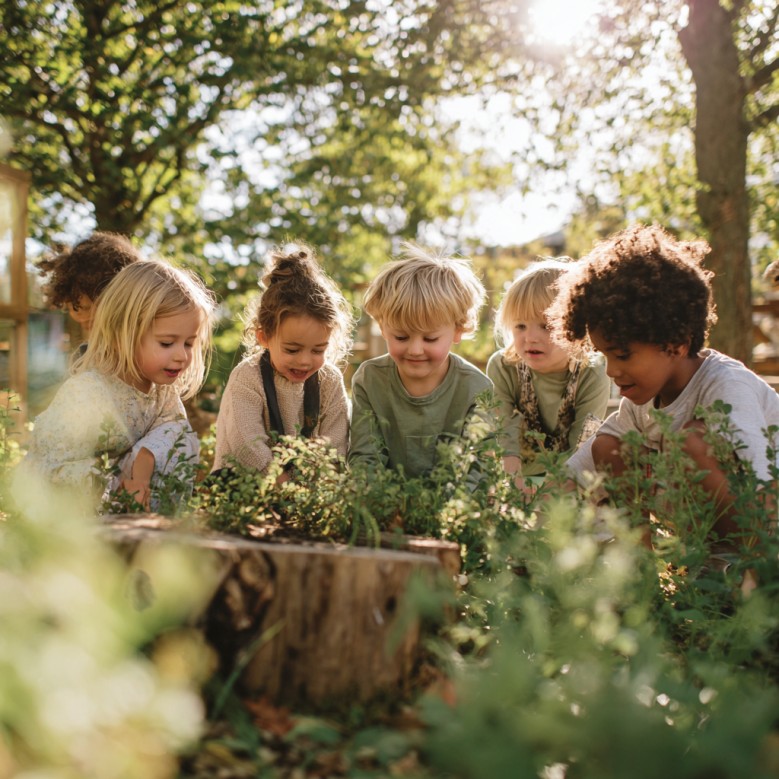
Getting children outside can feel like one more task in an already full day. Between staffing, meals, naps, and parent communication, outdoor time needs a deliberate place in the schedule. It should not depend on whether everything else finishes early.
The benefits of outdoor play for early learners extend beyond fresh air and a change of scenery, with opportunities for movement, social interaction, exploration, and learning (NAEYC). Here are five reasons to make outdoor play a regular part of your childcare program, along with practical ways to get started.
Outdoor Play Builds Physical Skills
Running, jumping, climbing, throwing, and balancing give young children opportunities to develop gross motor skills and practice active habits (NAEYC’s outdoor-play guidance). Plan a mix of activities that lets children move at their own pace rather than requiring everyone to complete the same challenge.
Try a simple movement circuit with a clear walking path, a ball-toss area, and an age-appropriate balancing activity. Offer adaptations for children with different mobility, sensory, and developmental needs. Keep participation flexible so each child can explore a manageable challenge.
The American Academy of Pediatrics also highlights outdoor play as a way to develop skills such as balance and spatial awareness (HealthyChildren.org). Give those skills room to develop through enjoyable play, not a competition over who runs fastest or climbs highest.
Outdoor Play May Support Attention and Self-Regulation
A research review describes a preschool study in which outdoor play was followed by better classroom attention and inhibitory control than indoor play, while noting that the evidence does not settle every question about what produces the benefit (Encyclopedia on Early Childhood Development). Treat outdoor time as a valuable part of the routine, not a guaranteed fix for challenging behavior.
Try scheduling active outdoor play before a quieter classroom activity. Build in a predictable transition with time for handwashing, water, and settling in. Observe how your group responds and adjust the timing rather than expecting every child to return ready to sit immediately.
Give children simple opportunities to practice stopping, waiting, and changing direction during games. Keep the experience playful and age-appropriate. The goal is practice with support, not perfect self-control.
Outdoor Play Creates Opportunities for Social Learning
Outdoor activities can give children opportunities to take turns, collaborate, encourage peers, and show empathy (NAEYC). A shared building project or pretend garden can become a place to practice those skills with an educator nearby.
Offer activities that invite cooperation without forcing it. For example, ask children whether they would like to create a pretend animal home together or move water between containers as a team. Model language such as, “Can I help?” and “What could we try next?”
Stay involved when disagreements arise. Help children describe the problem, hear another perspective, and choose a workable next step. Outdoor play offers the setting, but thoughtful adult guidance still matters.
Outdoor Play Encourages Creativity and Problem-Solving
Nature-based activities such as building, sorting, pretend play, and sand or water exploration create opportunities for investigation and early STEM learning (NAEYC). Leave room for children to ask questions and try their own ideas instead of showing them one finished product to copy.
Ask open-ended questions during play: “How could we make this stand up?” “What do you notice about these leaves?” or “What should we try if the water spills?” Give children time to respond, experiment, and change their minds.
To connect outdoor exploration with classroom art, explore our seasonal crafts using natural materials, including leaf collages, nature crowns, and woodland scenes. Let children choose colors, textures, and arrangements rather than expecting identical results.
Have an adult inspect and select materials before use. Avoid sharp pieces, unknown plants, berries, mushrooms, and small objects that could present a choking risk, especially for children who mouth materials. Check allergies, supervise closely, and include handwashing afterward.
Outdoor Play Can Support Emotional Well-Being
The American Academy of Pediatrics describes outdoor play as linked with lower stress and greater mental well-being among children (HealthyChildren.org). Think of outdoor time as one part of a supportive daily environment, not a treatment or a promise that every child will feel calmer.
Make space for quieter experiences alongside active games. Invite children to watch clouds, listen for birds, observe a plant, or read with an educator in a shaded area. Let a child who feels overwhelmed choose a calmer activity while remaining safely supervised.
Notice individual preferences and comfort levels. Offer reassurance and gradual participation rather than insisting that every child enjoy the same outdoor experience.
Make Outdoor Play a Practical Part of the Day
Build outdoor play into the schedule and plan for the details that can otherwise make it difficult. Start with a routine your team can manage, then refine it as you learn what works for each classroom.
- Plan supervision: Assign staff positions, maintain required ratios, and use your center’s head-count and transition procedures.
- Check conditions: Review weather, air quality, surfaces, equipment, shade, and access to drinking water before going outside.
- Prepare materials: Keep approved supplies organized so setup does not consume the whole play period.
- Include every child: Offer accessible routes, adapted activities, and choices for different sensory and mobility needs.
- Keep a backup plan: Use indoor movement and exploration when outdoor conditions are unsafe.
- Communicate with families: Explain clothing needs, weather procedures, and how outdoor activities connect with the classroom.
You do not have to begin with a major playground purchase. First, identify how to use your existing space safely and effectively. If you are considering equipment, options such as Little Tikes Commercial’s early-childhood range can be a starting point for comparison, not a substitute for reviewing suitability, accessibility, installation, and licensing requirements.
Budget for a Space Your Program Can Sustain
Before approving an outdoor upgrade, define the problem you want to solve. Your priority might be shade, safer surfaces, accessible play, storage, or replacing worn equipment. Build the budget around that need rather than the most impressive catalog photo.
Include installation, surfacing, inspections, maintenance, and replacement costs in your estimate. Then compare the project with your cash forecast and other commitments. Avoid assuming an upgrade will automatically increase enrollment or pay for itself.
At Honest Buck Accounting, we help childcare owners connect financial information with operating decisions. If you want support evaluating an outdoor project or planning for future improvements, tell us about your childcare center. We can discuss the accounting and advisory support that fits your needs.
Categories
Top Posts
1
What Is the Augusta Rule?
2
The Best Daycare Schedules for Infants, Toddlers, and Preschoolers
3
10 Ways to Stay Healthy as a Childcare Provider
4
How to Encourage Timely Pick-ups from Parents at Your Daycare or Preschool
5
Important KPIs to Track for Your Early Childhood Education Business
Education

eCourse
Know Your Numbers